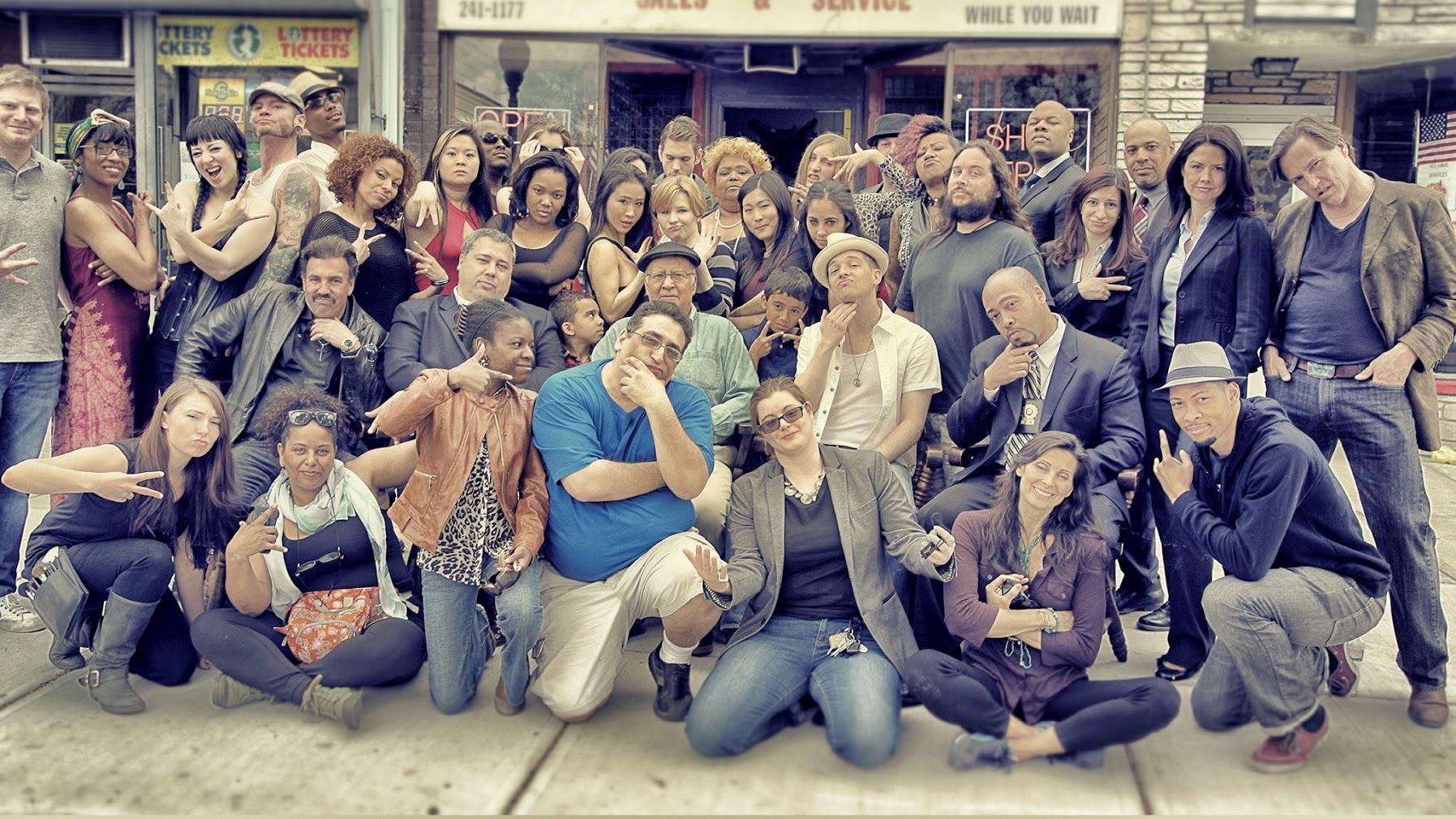
• The $20 Million Gamble: Why The Rip Is the Smartest Cop Thriller in Years

    Matt Damon and Ben Affleck

    There’s a kind of cinematic shorthand that kicks in the moment Matt Damon and Ben Affleck share the screen. You don’t need backstory or exposition—you feel it immediately. History. Trust. Friction. Decades of shared gravity compressed into a glance. Joe Carnahan understands that shorthand and builds The Rip (2026) around it, using that chemistry not as nostalgia bait, but as a structural weapon.

    On the surface, the premise is simple and dangerous in the best way: a specialized police unit uncovers a massive stash of untraceable cartel cash hidden in an unassuming South Florida home. No cameras. No witnesses. Just heat, silence, and a moral dilemma that doesn’t come with instructions. That’s the hook. But The Rip isn’t interested in being just another “what would you do?” cop movie. It’s a sun-bleached, sweat-soaked descent into paranoia and loyalty, steeped in the DNA of gritty 1970s crime cinema. This is a film about pressure—how it warps judgment, fractures brotherhood, and exposes fault lines people didn’t even know they had. And that pressure exists both onscreen and behind the scenes.

    A Quiet Revolution in How Movies Get Made

    One of the most fascinating things about The Rip has nothing to do with gunfights or plot twists. Produced by Artists Equity and released through Netflix, the film challenges the streaming industry’s favorite financial shortcut: the cost-plus model. Instead of locking everyone into flat, upfront payments, the production embraced a success-sharing structure that included not just stars, but the crew.

    Roughly 1,200 people—camera operators, grips, assistants, technicians—received performance-based bonuses tied to the film’s early success. In an industry notorious for rewarding the few at the expense of the many, The Rip quietly asks a radical question: what if making a hit actually benefited the people who made it? It’s not a publicity stunt. It’s a blueprint—and one that’s going to make accounting departments sweat.

    A Thriller That Respects the Audience

    What sets The Rip apart from most modern crime thrillers is its confidence. The film doesn’t rush. It doesn’t explain itself to death. It lets tension breathe and trusts the audience to keep up. Carnahan leans hard into moral ambiguity. Nobody here is clean in a heroic sense. These are professionals operating in a system already compromised, carrying grief, exhaustion, and just enough rationalization to justify the next bad decision. The film constantly shifts your perspective, asking you to reassess who you trust and why. Importantly, it never winks at the camera. There’s no irony cushioning the blow. The stakes feel real because the consequences feel real—even before you know what they are.

    South Florida as a Pressure Chamber

    Visually and tonally, The Rip rejects the polished sheen of modern blockbusters. This is a dirty movie in the best way. The heat feels oppressive. The locations feel lived-in. South Florida isn’t a backdrop—it’s an active force, amplifying tension and paranoia. Carnahan draws clear inspiration from films like Heat, Serpico, and Training Day, but The Rip never feels derivative. Instead, it adopts their ethos: no easy heroes, no clean exits, and no comfort in doing the “right” thing. The environment mirrors the characters—sunlit, exposed, and quietly suffocating.

    An Ensemble That Carries Weight

    Yes, Damon and Affleck are the gravitational center, but the film works because the ensemble is doing real work. Steven Yeun brings an unsettling calm that keeps you leaning forward. Kyle Chandler embodies institutional authority with just enough menace to feel dangerous. Scott Adkins’ presence adds physical credibility and unexpected emotional texture. And Sasha Calle delivers a grounded, human performance that anchors the film when everything else starts to feel unstable.

    No one feels ornamental. Every character has purpose. Every performance adds pressure.

    The Aftertaste That Lingers

    The Rip doesn’t aim to leave you pumped—it wants you unsettled. This is a film that understands restraint. It’s less interested in spectacle than in aftermath. Less about winning than about what it costs to survive with your integrity intact. Long after the credits roll, the questions linger. Not what would you do—that’s too easy.

    The real question is harder: How much of yourself can you afford to lose before you don’t recognize the person making the choice?

    That’s what makes The Rip one of the smartest, most confident cop thrillers in years. It doesn’t just entertain—it audits your conscience. And it doesn’t let you walk away clean.

  • Relay — A Thriller About Systems, Silence, and Control

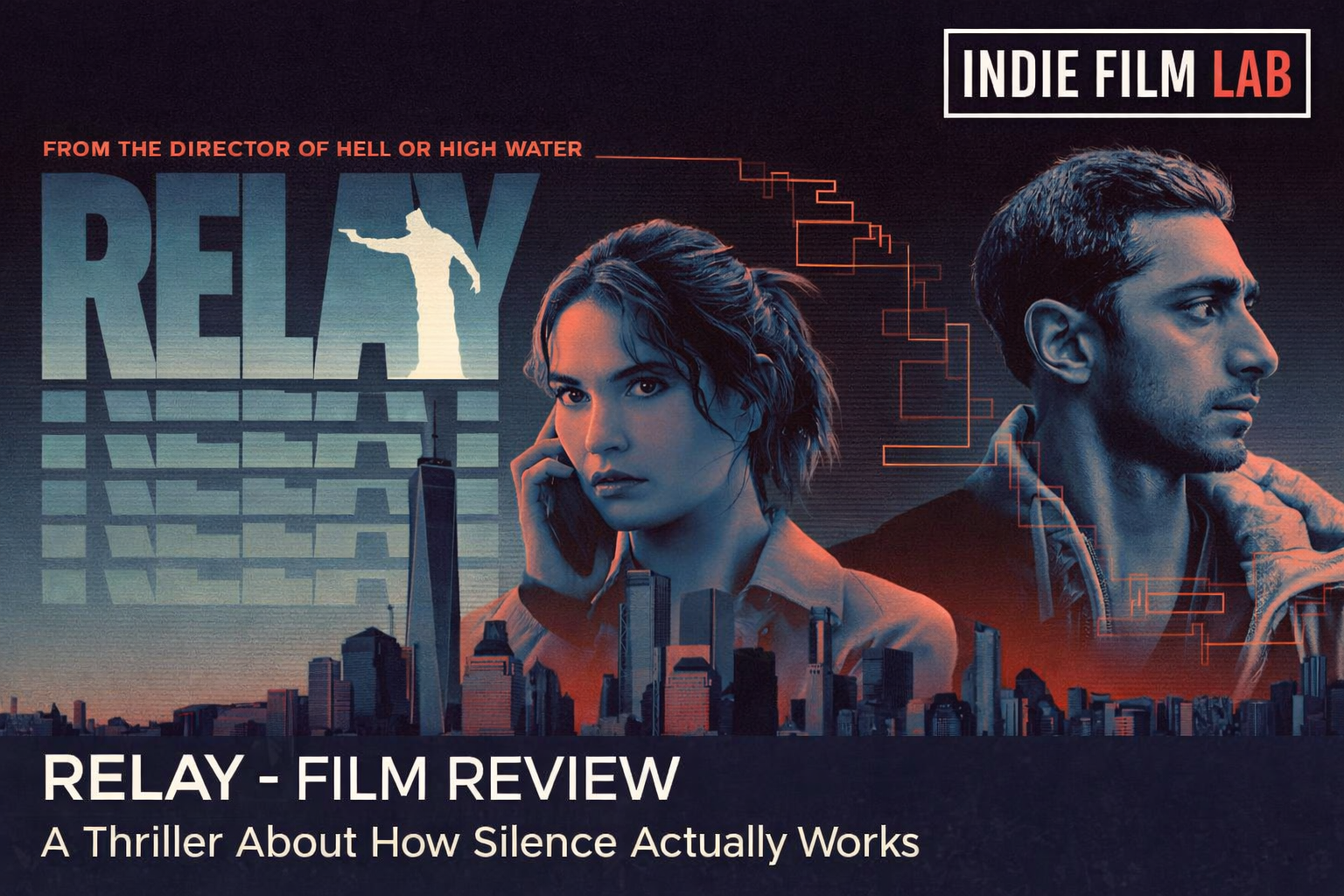
    Relay is a restrained, procedural corporate thriller released in 2024, directed by David Mackenzie and written by Justin Piasecki. The film stars Riz Ahmed, Lily James, and Sam Worthington.

    On paper, it resembles a familiar genre setup: a shadowy intermediary, a powerful corporation, sensitive information that could cause serious damage if released. But Relay quickly separates itself from standard whistleblower thrillers by refusing to center exposure as victory.

    Instead, it focuses on intermediation — the people who live between truth and power, whose job is not to fix injustice but to manage it.

    Rather than leaning on action set pieces, the film builds tension through phone relays, logistics, public spaces, misdirection, and time. The danger isn’t chaos — it’s procedure. And the scariest moments come not from violence, but from how calmly the system responds when challenged.

    Logline:

    A professional intermediary who brokers silence between corporations and people who know too much believes anonymity is his greatest protection—until a routine negotiation begins to expose the system he depends on and the cost of staying invisible.

    Some films announce themselves with volume. Relay does not. It slips in quietly, almost anonymously — which feels intentional, considering what the movie is actually about. Directed with restraint and confidence, Relay plays like a thriller that’s less interested in adrenaline and more interested in systems: how power moves, how silence is negotiated, and how truth is managed once it becomes inconvenient.

    At first glance, it looks like familiar territory — corporate wrongdoing, a fixer operating in the shadows, high-stakes information changing hands. But Relay isn’t chasing spectacle or moral grandstanding. It’s patient. Procedural. Observant. The tension comes not from explosions or chases, but from rules, routines, and the slow realization that every system has already accounted for resistance.

    Watching it as a filmmaker, what stood out immediately was the confidence in the storytelling. The film trusts silence. It trusts behavior over exposition. It trusts the audience to keep up. And in an era where thrillers often confuse noise for urgency, that choice alone makes Relay worth paying attention to. This isn’t a movie about heroes. It’s a movie about mechanisms.


    What Relay Is Not…

    Relay is not a whistleblower fantasy.

    It’s not a movie where the truth explodes into daylight, the bad actors are publicly shamed, and justice arrives right on time. If you’re expecting courtroom speeches, heroic leaks, or a clean moral victory, this isn’t that film — and it’s intentionally not trying to be.

    Relay is also not an action thriller.

    There are no elaborate chases, no glossy set pieces, no operatic violence. When danger shows up, it’s abrupt, uncomfortable, and procedural. The movie understands that real power doesn’t rely on spectacle. It relies on patience, paperwork, and people following instructions.

    It’s not a comfort watch. The film doesn’t reassure you that doing the right thing guarantees safety or recognition. It doesn’t reward good intentions with applause. In fact, it quietly suggests the opposite: that proximity to truth often comes with isolation, risk, and loss.

    Relay is not interested in simplifying morality. There are no pure heroes here, no cartoon villains twirling mustaches. Everyone operates inside systems that shape their choices, limit their options, and quietly extract a cost. The film refuses to flatten that complexity into slogans.

    And it’s definitely not a movie about “winning.” Institutions don’t collapse. Corporations don’t burn. The system doesn’t fall. What changes is smaller and harder to celebrate — awareness, accountability, and the stripping away of illusions. If Relay frustrates you, that’s probably the point. It isn’t here to entertain your sense of justice. It’s here to interrogate it.

    Why Relay Hits Me as a Storyteller 

    Riz Ahmed’s Ash isn’t a hero or a rebel. He’s a technician. His world is rules, protocols, and leverage. Anonymity is armor. Distance is safety. One copy of the truth is currency, not justice. What really landed for me is how the film treats procedure as drama. Phone calls. Waiting. Deadlines. Missed connections. These aren’t filler — they are the action. Relay understands that modern power doesn’t need to shout. It just needs time, compliance, and plausible deniability.

    Ash’s backstory — surfaced quietly through AA meetings and restrained confession — gives the film its emotional gravity. He’s someone who once believed in doing the right thing, paid for it, and rebuilt his life around never being that exposed again. As a filmmaker, that felt painfully familiar. How many of us recalibrate our ethics just enough to stay working? To stay safe? To keep going?

    The tension doesn’t come from twists. It comes from watching rules bend. From realizing that intelligence and competence don’t grant immunity — they make you more valuable to control. The film’s restraint is its strength. It doesn’t explain itself. It doesn’t reassure. It lets discomfort sit in the frame. That’s confidence — and it’s rare. The ending offers no catharsis. No clean takedown. Institutions remain intact. Consequences fall where they usually do: on the individuals closest to the truth. That’s not a failure of storytelling. That’s the point.

    Why This Matters Right Now

    We’re living in a moment where information is everywhere, attention is fragmented, and accountability feels increasingly abstract. Truth doesn’t disappear — it just gets delayed, diluted, or buried under process. Relay understands that systems aren’t afraid of exposure anymore. They’ve adapted to it.

    For filmmakers, that’s an important shift to recognize. Stories about corruption don’t challenge power simply by existing. Systems are prepared for outrage. They’re prepared for leaks. What they’re most threatened by are people who understand how the machinery actually works — and refuse to let it operate unnoticed. Relay isn’t a call to arms. It’s a mirror. It asks what we’re willing to trade for safety, for access, for the ability to keep working. And whether neutrality, chosen often enough, becomes its own form of complicity. It’s not comforting. But it’s precise. And those are the stories that tend to last.

    What I’d Steal as an Indie Filmmaker

    • Procedure as tension You don’t need chases. You need rules, deadlines, and consequences.

    • Silence as confidence Trust the audience. Let scenes breathe.

    • Everyday locations, elevated stakes Apartments, transit hubs, offices. Context creates danger, not scale.

    • Character through behavior We learn who Ash is by what he avoids and which rules he breaks.

    • Endings with nerve Honest endings don’t always feel good. They just feel true.

    How I’d Produce This on an Indie Budget

    I’d Strip Relay down and it’s an indie filmmaker’s dream. Just a Few locations. Dialogue-driven tension. Sound design doing heavy lifting. Performance over coverage. Implication over exposition. This is a film where money doesn’t buy power — clarity does. You don’t need to make a small movie feel big. You need to make it feel inevitable.

  • Unpacking the Narrative Power of Dialogue in “The Wrong Grandma”
    In narrative craft, dialogue is often mistaken for mere conversation. However, as the short film “The Wrong Grandma” demonstrates, meticulously crafted dialogue functions as the primary engine of plot, character revelation, and thematic resonance. This analysis will deconstruct key lines from the film to show the aspiring storyteller how words become action—revealing character, driving the plot, and establishing the profound emotional stakes. The film’s core themes of shame, isolation, and the power of connection are brought to life through the precise, powerful, and transformative words spoken by its characters.
    ——————————————————————————–

    1. The Confession: Dialogue that Reveals Vulnerability

    The initial dialogue between Susan and her granddaughter, Emma, establishes the story’s emotional foundation. These early lines don’t just explain the situation; they invite us into Susan’s private world of shame, making her struggle tangible and deeply personal.
    SUSAN
    If I don’t do this today… I won’t get my life back.
    • Plot Significance: This powerful opening line immediately establishes Susan’s core motivation and the story’s high stakes. It frames the impending phone call not as a simple task, but as a desperate, all-or-nothing fight for her very identity.
    • Character Insight: The line reveals Susan’s internal state—a fragile combination of immense fear and profound resolve. It tells the audience she has reached a critical breaking point and cannot continue living in the shadow of her shame.
    SUSAN
    ...and put them back. Because I couldn’t afford color anymore.
    • Plot Significance: This detail powerfully illustrates the true depth of the scam’s financial and emotional devastation. It translates a vague financial loss into a concrete, heartbreaking image of deprivation.
    • Character Insight: This is a masterclass in using a concrete sensory detail (“color”) to articulate an abstract emotional state (shame, loss of dignity). The confession isn’t just about money; it’s about the loss of simple joys and beauty. The phrase “couldn’t afford color” encapsulates the shame that has isolated her with more power than a paragraph of exposition ever could.
    EMMA
    Grandma...you weren’t stupid. You were targeted.
    • Plot Significance: Emma’s words mark the introduction of the story’s central theme: connection is power. This line is the first crucial step in reframing the narrative, shifting the focus from Susan’s self-blame to the scammer’s calculated crime.
    • Character Insight: This line establishes Emma as the story’s supportive anchor. She doesn’t just offer sympathy; she provides a new, empowering perspective that is essential for Susan to begin her journey of reclamation.
    Learning Narrative: With the emotional stakes set and her shame finally shared, Susan gathers the strength to move from victim to protagonist, leading to the pivotal phone call.
    ——————————————————————————–

    2. The Confrontation: Dialogue as a Shifting Power Dynamic

    The phone call with the scammer operates as a dialectic, a verbal thesis-antithesis struggle where each line is a calculated attempt to seize narrative control. The entire conflict unfolds through dialogue, with each exchange functioning as a strategic move that either reinforces the scammer’s dominance or allows Susan to reclaim her power.
    The Scammer’s Mask:
        Speaker: The Scammer
        Analysis: This is a critical “mask drop” moment. The scammer’s practiced, professional warmth evaporates, revealing the cold, predatory worldview that fuels his actions. This line confirms for both the audience and Susan the true, cruel nature of the person she is confronting.
    Susan Reclaims Her Story:
        Speaker: Susan
        Analysis: This is Susan’s turning point. She moves beyond the quantifiable financial loss to articulate the true, human cost of his crime. By stating this directly to him, she begins to reclaim the power and dignity that were stolen from her, refusing to let him define the terms of her suffering.
    The Scammer’s Counter-Gambit:
        Speaker: The Scammer
        Analysis: This is not an apology; it is a tactical shift from overt cruelty to a feigned, world-weary rationalization. The line is designed to make Susan feel complicit (“You didn’t [hang up]”). It is the scammer’s final manipulative gambit, showing how predators pivot from intimidation to false intimacy to keep their victims off-balance and mired in self-doubt.
    The Bluff and The Backup:
        Speakers: Susan, Emma
        Analysis: This sequence is a brilliant piece of character-driven plot. Susan’s bluff demonstrates her newfound cleverness. Emma’s panicked whisper adds a layer of humor and realism, grounding the high-stakes moment. Finally, Emma’s furious follow-up shows her fierce loyalty and brilliantly turns her seemingly humble job into a source of intimidating, unorthodox strength, landing a real emotional blow.
    Learning Narrative: Having chipped away at the scammer’s confidence, Susan prepares to deliver the final line that will shatter his composure and end the confrontation.
    ——————————————————————————–

    3. The Final Strike: Dialogue as a Weapon

    The story’s climax is delivered not as a single knockout punch, but as a precise, two-part maneuver. The first line is the weapon; the second, delivered into the silence of victory, is the reclamation.
    The Weapon
    SUSAN 
    They’re tracing this call.
    Analysis: This is the story’s kill shot. It is a simple, declarative sentence that transforms the abstract threat of “law enforcement” into an immediate and terrifying reality for the scammer. The script brilliantly uses sound—the knock, the yelling, the crash—to confirm the absolute power of her words to manifest real-world consequences. This line is aimed directly at her opponent, and it lands with devastating effect.
    The Victory Speech
    SUSAN
    Turns out... you picked the wrong grandma.
    Analysis: This line is delivered after the call has ended and the threat is neutralized. It is not a final taunt to her defeated foe; it is a statement of self-reclamation spoken for herself and Emma. It masterfully reclaims the scammer’s earlier insult (“sweet little old Grandma”) and turns it into a statement of formidable strength. It serves as the perfect thematic bookend to her journey, marking the moment she fully accepts her own power.
    Learning Narrative: With the battle won not by force but by words, the final lines of the story focus on the first steps of healing.
    ——————————————————————————–

    4. The Resolution: Dialogue of Healing and Hope

    After the high-stakes confrontation, the film concludes with a quiet exchange. These final lines carry immense emotional weight, signaling the beginning of Susan’s recovery and reinforcing the story’s central message.
    EMMA
     Then we take it back. One letter at a time. 
    SUSAN
    (smiles, faint but real) 
    One truth at a time.
    • Speakers: Emma, Susan
    • Synthesized Analysis: This final exchange beautifully encapsulates the film’s message about recovery. Emma’s line is practical, supportive, and grounded, breaking down the overwhelming task of rebuilding a life into a single, manageable action (“one letter at a time”). Susan’s gentle correction—”one truth at a time”—demonstrates her profound character growth. She is no longer just dealing with bills; she is rebuilding her life on a new foundation of honesty and self-worth, starting with the truth she finally told. It is a hopeful, earned, and deeply resonant ending.
    ——————————————————————————–

    Key Takeaways for Storytellers

    This analysis of “The Wrong Grandma” offers several powerful lessons on crafting impactful dialogue.
    1. Reveal Character Through Diction and Rhythm A character’s true nature is shown not just in what they say, but how they say it. The contrast between Susan’s hesitant, whispered confessions (“couldn’t afford color”) and the scammer’s calculated shifts from slick jargon to blunt cruelty defines them more than any descriptive paragraph could.
    2. Drive Plot with Dialogue Every key plot point in this story is triggered by a line of dialogue. The confession initiates the action, the confrontation shifts the power dynamic, the bluff creates a turning point, and the final declarative sentence resolves the central conflict.
    3. Articulate Stakes Through Character Voice Dialogue makes the audience feel the stakes on a personal level. Hearing Susan articulate the loss of her “peace” and “dignity” is far more powerful and emotionally resonant than simply being told she lost a sum of money.
    4. Make Dialogue the Climax In a story like this, the dialogue is the climax. The final confrontation is not a physical fight but a battle of words, will, and perspective. This demonstrates the essence of cinematic tension in character-driven drama, where the internal journey is externalized not through spectacle, but through the crucible of verbal conflict. A well-crafted line can be the most powerful weapon in a writer’s arsenal.
  • When a Sequel Forgets Its Soul: What Nobody 2 Teaches Us About Bad Story Choices

    By Joseph Eulo — Indie Film Lab

    Every so often, a sequel drops that reminds you exactly why “franchise brain” is a creative disease. Nobody 2 is one of those reminders. And listen — I wanted to love this movie. The first Nobody is tight, gritty, and personal, built on a character who feels like he’s been stitched together with regrets, bruises, and suburban guilt.

    But the sequel?

    It’s like the studio threw a duffel bag of money at the wall to see what stuck… and what stuck was a mash-up of National Lampoon’s Vacation, The Equalizer, and Cruella de Vil dropping by to cash a check. Let’s break down why.

    Story Structure: Where the Sequel Loses the Plot

    The first Nobody had a simple, brutal emotional spine: A man who gave up violence wants to feel alive again.

    In Nobody 2, Hutch’s emotional engine is replaced with a rental car and a family vacation. There’s no pressure cooker. No buried tension. No internal want. Just… “Hey, let’s go to the woods,” followed by “Oops, I guess we need a bad guy?”

    The beats feel manufactured, not earned:

    The setup is weightless. Nothing’s driving Hutch except a plot that needs to start. The want is fuzzy. Peace? Vacation? A compelling sequel? The villain drops in like a studio note labeled “Insert Antagonist Here.” The arc doesn’t arc. Hutch ends exactly where he started. The climax is empty spectacle. Action without emotional oxygen.

    It’s all movement, no meaning.

    You Can Feel the Studio Notes in the Edit

    Every frame of Nobody 2 whispers, “We’re trying to franchise this thing.” Here’s where the studio fingerprints show:

    “Make it more commercial!”

    So suddenly Hutch is in a tone-confused family comedy. Brighter colors. Goofier moments. Vacation hijinks. It’s Nobody, but dipped in corn syrup.

    “Give the kids more screen time!”

    Now the kids act like junior operatives in a PG-13 spy flick. Cute? Sometimes. Tonally consistent? Not even close.

    “We need a clear villain!”

    So we get a Cruella-coded antagonist with zero emotional connection to Hutch. Great coat. Zero soul.“Make the action bigger!” Yes, the set pieces are large. But bigger isn’t better when it disconnects from character.c“Set up Nobody 3!” Ah. The real mission. This is how a nuanced character becomes a product SKU.

    The Real Problem: It Almost Tarnishes the Original

    This is where the heartbreak kicks in. The first Nobody is surprising because it’s grounded. It’s dangerous because it feels real. It works because Hutch’s violence is tied to his identity crisis, not just choreography. But Nobody 2 trades all that for: clichés cartoon villains sitcom banter and action scenes designed before the writers even opened Final Draft. It’s not just a misstep — it’s a tonal betrayal.

    And when a sequel betrays the tone of the original, it starts to erode the audience’s love for the character.

    A sequel shouldn’t dilute the mythology.

    A sequel should deepen it.

    Instead, Nobody 2 feels assembled, not created.

    And that — to me — is how you come dangerously close to tarnishing an original that deserved better.

    What Filmmakers Can Learn From This

    This isn’t just a rant (okay, it’s a little bit of a rant). It’s a teachable moment, especially for indie filmmakers who want to build worlds, sequels, or serialized content.

    Here’s the takeaway:

    A sequel should be an emotional continuation, not a financial one. The moment you stop asking, “What is this character wrestling with?”and start asking,“How do we scale this up?”—you’ve already lost the plot. The audience doesn’t need bigger explosions. They need bigger truth.

    Want to Go Deeper?

    If you want a breakdown of: how to structure a sequel that honors the original, how to avoid tonal drift, or how to build an indie franchise without losing your soul, drop a comment.

    We can go scene-by-scene, beat-by-beat, or even rewrite Nobody 2 the way it should’ve been done.

    This is Indie Film Lab — we don’t just watch films. We autopsy them and build better ones.

  • The Stories That Find Us 4

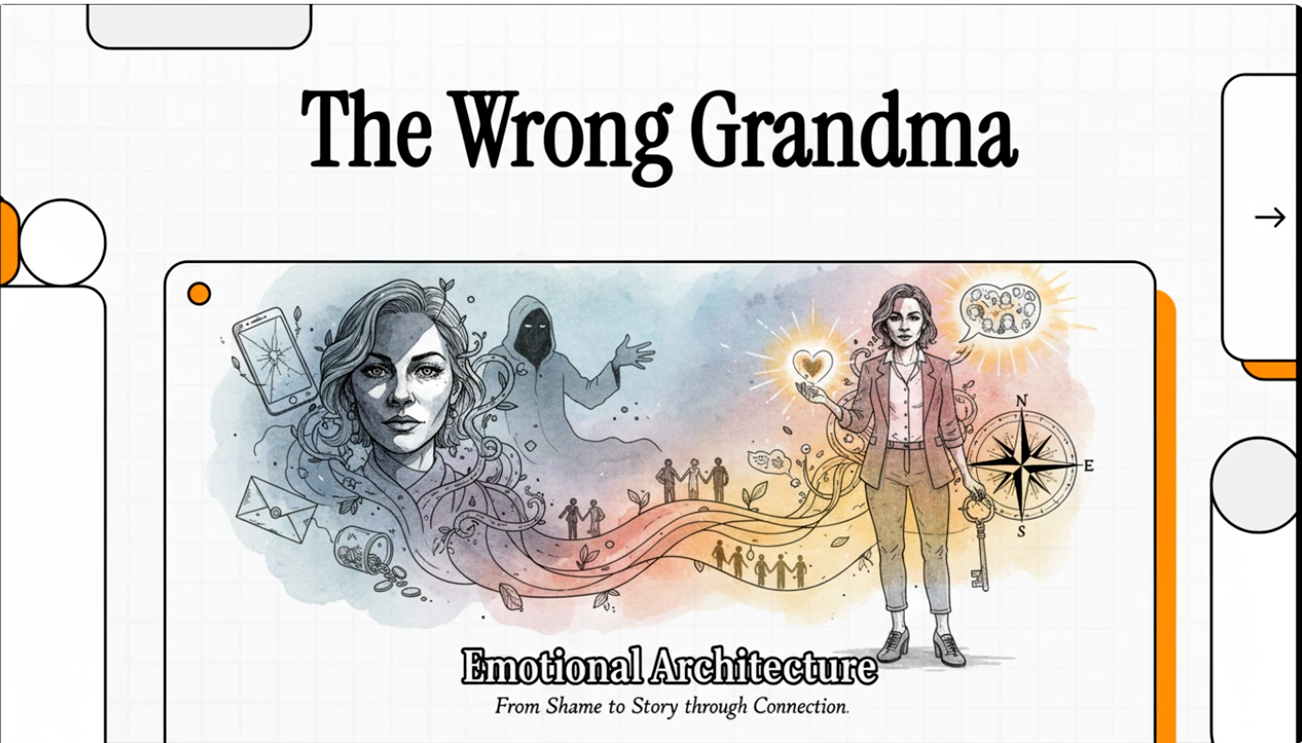
    Four Surprising Lessons on Reclaiming Your Power from a Screenplay About a Scammed Grandma

    Click here to read the script.

    In a world of constant digital noise, the fear of being deceived—of being made to feel foolish or powerless—is a deeply universal one. We look for answers in expert guides and self-help manifestos, but often, the most resonant human truths are found not in instructions, but in stories. This article makes the case for narrative fiction as a unique tool for understanding ourselves, using a short screenplay titled The Wrong Grandma as a powerful case study.
    The script tells the story of Susan, an elderly woman financially and emotionally devastated by a phone scammer. But instead of ending with her as a victim, the narrative follows her as she, with her granddaughter Emma beside her, confronts the man who wronged her. In its quiet, tense unfolding, this story offers a masterclass in resilience, providing several profound and counter-intuitive takeaways about fighting back, healing, and reclaiming one’s own dignity.

    1. Shame Loses Its Power When It’s Spoken

    The screenplay’s treatment identifies a core theme that resonates throughout the narrative: “Shame thrives in secrecy.” Before Susan can even think about confronting her predator, she must first confront her own silence. Devastated by the scam, she hides the loss from her family, paralyzed by a fear they would see her “the way I looked at myself”—as a failure. What the script does so brilliantly here is frame this confession as the story’s true emotional inciting incident. The external plot is secondary to the internal one.
    This secrecy forces Susan into a private hell, a world leached of security and even simple joy. The script captures the depth of this private suffering in one devastating line:
    “I picked up tomatoes… and put them back. Because I couldn’t afford color anymore.”
    Her confession to Emma isn’t just a plot point; it’s the story’s bravest act. By giving voice to her shame, she doesn’t find judgment; she finds an ally. This narrative choice reframes the entire story not as a simple revenge plot, but as a journey of internal healing where the external confrontation is merely a consequence of this first, courageous step. It teaches us that vulnerability isn’t a weakness to be hidden, but the necessary starting point for reclaiming power.

    2. Connection is the Predator’s Kryptonite

    Predators rely on isolation; connection is their kryptonite. The scammer’s strategy is built on the assumption that Susan is an “Easy mark” precisely because he sees her as an archetype of loneliness: a “sweet little old Grandma with a landline.” He is a disembodied voice, a digital ghost preying on the digitally isolated.
    The narrative masterfully demonstrates how physical, present connection shatters this model. When Susan’s hands tremble as she dials, Emma’s simple act of placing her hand over her grandmother’s becomes a symbolic transfer of strength—a grounding, tangible force against the manipulative voice on the line. The scammer’s professional confidence first begins to fray at the exact moment he realizes his victim is no longer a solitary node on his network. When Emma announces her presence—”It means you’re not talking to her alone anymore… asshole”—the script notes that “This lands. Hard.” and “The scammer’s breathing tightens.” The story argues that the ultimate defense against those who prey on the vulnerable isn’t a better firewall, but the steadfast presence of another human being.

    3. True Power is Quiet, Not Loud

    This scene subverts our expectations of a typical revenge narrative by championing a power that is quiet, not loud. The climax is cathartic not through violence, but through a dignified reclamation of self. This is illustrated in the brilliant contrast between Emma’s righteous fury and Susan’s final, strategic move. Emma is ready for war, her protective anger flaring with a specificity that is both fierce and funny:
    “I’ve taken down minivans doing forty. You wouldn’t last two seconds in a crosswalk, dick head!!”
    But Susan’s power comes from fundamentally changing the terms of engagement. The scammer expects rage or pleading—emotions he knows how to manipulate. He is utterly unprepared for quiet, factual competence, a language he doesn’t speak. Her victory isn’t about screaming; it’s about a calm, steady assertion of control. Her delivery is described as “deadly soft” as she lands the strategic masterstroke that seals his fate:
    “They’re tracing this call.”
    This moment is so resonant because it’s not about matching an abuser’s chaotic energy. It is the sound of a woman calmly taking back the narrative, not by shouting over him, but by asserting an undeniable truth that undoes him completely.

    4. Recovery Isn’t a Single Victory, It’s a Process

    Perhaps the most hopeful lesson the story offers is its realistic vision of what comes after. After the catharsis of the scammer’s arrest, the credits don’t roll on a magically solved life. Instead, the camera stays on the kitchen table, where a stack of “unopened mail” still sits—a powerful objective correlative for Susan’s remaining trauma and the practical work that lies ahead.
    The story doesn’t offer a fairytale ending; it offers a beginning. The final exchange between Susan and Emma perfectly illustrates the theme that “Recovery isn’t one grand gesture, but thousands of tiny, brave ones.” Emma’s promise, “Then we take it back. One letter at a time,” is met with a crucial addition from Susan, a line that connects the practical action with the psychological healing: “One truth at a time.” This pairing is the thematic core of the ending. Rebuilding a life isn’t just about paying bills; it’s about facing the truths associated with them. The narrative insists that true recovery is a sustained process of showing up for yourself, one small, brave action at a time.
    Conclusion: Taking Back Your Own Story
    In an age of loud, performative outrage, The Wrong Grandma champions the forgotten power of quiet dignity, interpersonal connection, and the step-by-step process of healing. It serves as a masterclass in resilience, not by showing us a superhero, but by revealing the profound strength required to refuse to stay silent and alone. The story leaves us with a blueprint for taking back control, one piece at a time.
    It begs us to consider: What’s the first “unopened letter” in your own life that you’re ready to face?
  • More Than Just Popcorn

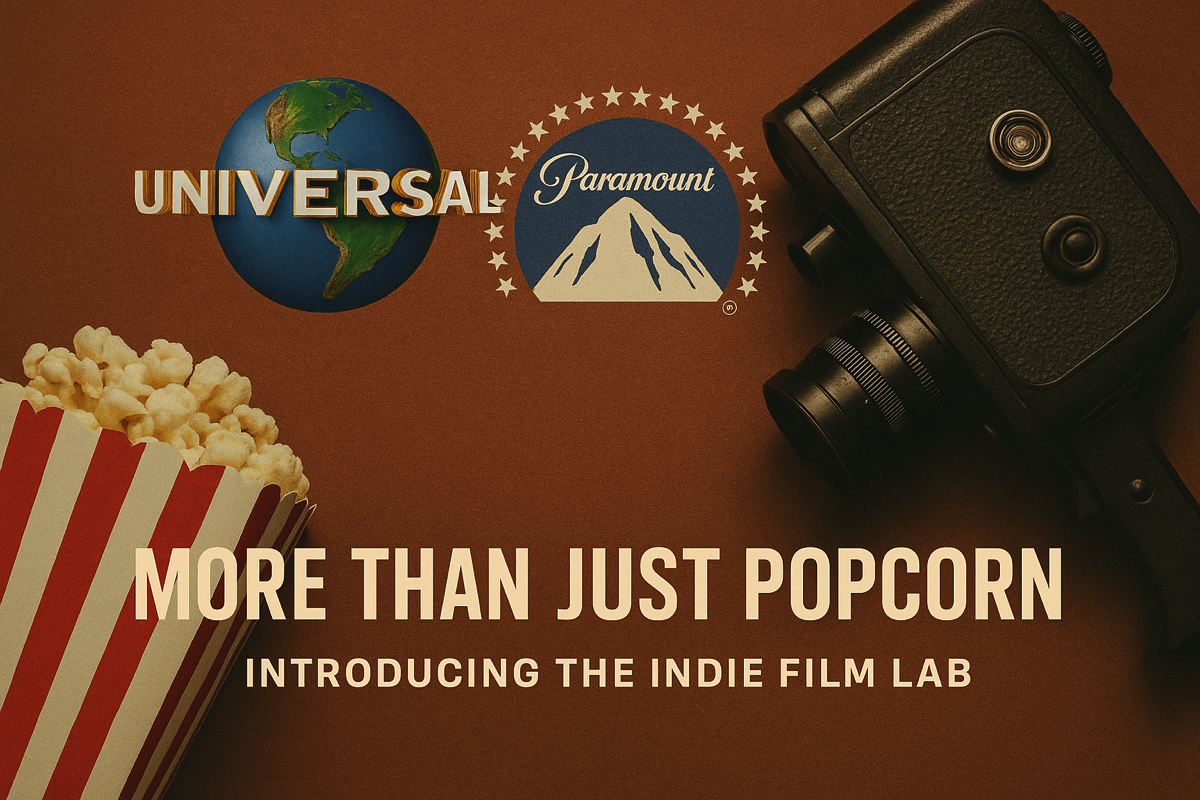
    Introducing The Indie Film Lab

    Before the movie even starts, the logos roll in — the spinning globe, the mountain peak, the roaring lion. They flicker across the screen like a hypnotic chant we’ve all learned to accept. They tell us we’re in good hands, that a story is about to unfold — one that’s safe, polished, and pre-approved for consumption.

    But those glossy logos aren’t just corporate identifiers. They’re monuments — relics of a revolution that’s been neatly packaged and sold back to us. Every frame we watch today was born out of rebellion, chaos, censorship, and pure creative grit. Cinema wasn’t designed by committee; it was built by outsiders with too much imagination to fit inside the system.

    We sit down, lights dim, the sound swells, and we disappear into another world. But the wild, messy, and deeply human story behind how that world came to exist — that story often goes untold.

    And that’s why The Indie Film Lab exists.

    This isn’t just a podcast or a blog. It’s an open workshop — a place to break down the machinery of storytelling, to question the myths of Hollywood, and to rediscover the soul of cinema through the eyes of the people still fighting to make it.

    I started The Indie Film Lab because I believe independent filmmaking is more than a production category — it’s a mindset, a philosophy, a survival skill. It’s what happens when artists refuse to wait for permission.

    So before we dive into cameras, lighting setups, and shot breakdowns, let’s start where every revolution begins — with the stories that shaped this art form. Because to understand where we’re going as creators, we have to know where we came from.

    Here are five lessons from film history that every indie filmmaker should know. They’re not just trivia. They’re blueprints for rebellion.

    1️⃣ The Rebels Who Built the Empire

    Long before there were red carpets and Oscar campaigns, the film business was a dirty street fight — and Thomas Edison held the biggest stick.

    Edison’s “Motion Picture Patents Company,” better known as the Edison Trust, had a monopoly on everything: film stock, projectors, cameras, patents. If you wanted to make movies, you had to play by his rules — or risk a lawsuit, or worse. His inspectors were notorious for raiding small studios, seizing cameras, and shutting down production.

    Enter the independents — a ragtag group of dreamers and hustlers, many of them first-generation immigrants who saw opportunity where others saw oppression. Carl Laemmle, William Fox, Adolph Zukor — these weren’t corporate tycoons yet; they were underdogs. They fought Edison’s army of lawyers and fled New York for the sun-baked outskirts of Los Angeles, where the law couldn’t easily reach them.

    That dusty outpost would later be called Hollywood.

    And here’s the cosmic joke: after fighting for freedom, these same rebels built the next empire. Universal (Laemmle), Twentieth Century Fox (Fox), and Paramount (Zukor) rose from the ashes of rebellion to become the new establishment.

    It’s a pattern that repeats throughout film history — rebellion breeds innovation, innovation breeds institutions, and those institutions eventually need to be challenged all over again. Independence isn’t a one-time event. It’s a cycle, and we’re all part of it.

    2️⃣ The Lost Golden Age of Women Filmmakers

    If you’ve ever heard someone say, “We need more women in film today,” they’re right — but they’re also forgetting that there was a time when women were the industry.

    The silent era — roughly 1895 to 1929 — was a creative frontier. There were no gatekeepers yet, no corporate studios, no rigid power structures. And in that wild frontier, women weren’t just present — they were leading.

    Alice Guy Blaché directed over a thousand films and ran her own studio, Solax, in Fort Lee, New Jersey. Lois Weber was one of the first directors to use split screen and was Universal’s top-grossing filmmaker in the 1910s. Frances Marion and June Mathis wrote scripts that defined the silent age — both among the highest-paid screenwriters in the world.

    Women were shaping film form itself — experimenting with narrative, cross-cutting, and visual symbolism long before the men who would later be credited for it.

    Then the studio system arrived, and everything changed. Hollywood consolidated, business interests took over, and the open, collaborative space that had once belonged to artists turned into a hierarchy of executives and producers — mostly male.

    By the 1950s, that early golden age had been all but erased from public memory.

    The irony is painful: the pioneers who built the foundation were written out of their own story.

    That’s why the indie world matters. It’s one of the few spaces left where power is fluid, where voices from every background can still claim the frame. The spirit of Alice Guy and Lois Weber lives in every filmmaker who’s ever said, “I’ll make it myself.”

    3️⃣ Hollywood’s Secret Rulebook

    Between 1934 and 1968, Hollywood was under a spell — a moral straitjacket called the Motion Picture Production Code.

    On paper, it was meant to protect the public from “immorality.” In reality, it was a censorship agreement written by religious lobbyists and enforced by studio executives terrified of government regulation.

    The rules were wild. You couldn’t say “nuts” or “fanny.” You couldn’t show “excessive and lustful kissing.” Bedrooms had to be shot with one foot on the floor — even for married couples. Crime couldn’t pay. Villains couldn’t win. And forget about same-sex affection, interracial romance, or political dissent — all strictly forbidden.

    But here’s the paradox: constraint breeds creativity.

    Since filmmakers couldn’t show desire or violence directly, they had to invent cinematic language to suggest it. Subtext, symbolism, lighting — all became tools of rebellion. A shadow on the wall replaced a murder scene. A lingering look replaced a kiss.

    Directors like Alfred Hitchcock, Billy Wilder, and Ernst Lubitsch became masters of the unsaid. The Code forced them to dance around meaning — and in doing so, they made movies smarter, sharper, more poetic.

    When the Code finally died in 1968, it didn’t just open the floodgates for explicit content; it ended an era where filmmakers had to be clever. That’s a lesson for all of us today: limits can crush you, or they can push you to innovate. The difference lies in how you respond.

    4️⃣ It’s Not the Fight, It’s the Flow

    We all love a good fight scene. But depending on where you’re watching, a fight can tell very different stories.

    In traditional Hollywood filmmaking, action is fragmented — a dozen camera setups, shot out of order, cut together in editing. The energy comes from chaos. It’s about impact.

    In Hong Kong cinema, it’s about rhythm. The action is choreographed like a ballet, designed to be filmed in continuous, flowing movements. Each beat of the fight is a part of a visual sentence. The camera doesn’t just record the motion — it participates in it.

    Directors like Yuen Woo-ping and Tsui Hark perfected this style, crafting kinetic sequences where every movement had purpose and clarity. Their philosophy wasn’t just to thrill the audience, but to respect the performer’s craft — to let the choreography breathe.

    When The Matrix hit theaters in 1999, it fused those two worlds — East and West, flow and fragmentation — and changed action cinema forever.

    The takeaway for indie filmmakers? It’s not just about what happens on screen — it’s how it’s captured. Every camera movement, every cut, every frame is an emotional choice. When your resources are limited, your flow — your rhythm — becomes your greatest weapon.

    5️⃣ The Indie Spirit… Now Sponsored By

    Once upon a time, “independent film” meant risk. It meant artists mortgaging their homes, calling in favors, and shooting guerrilla-style with whatever gear they could afford. It meant freedom — messy, imperfect, beautiful freedom.

    Then the studios noticed.

    In the 1990s and early 2000s, the majors built “indie divisions” — Disney bought Miramax, Universal launched Focus Features, and Fox created Searchlight. Suddenly “independent film” was its own genre: quirky, edgy, character-driven… but still backed by multimillion-dollar marketing budgets.

    The look of rebellion had been branded.

    Posters got grainier, cameras got shakier, dialogue got weirder — but the core of independence, that raw do-it-yourself energy, was sanitized for mass appeal.

    Don’t get me wrong — incredible films came out of that era. Pulp Fiction, Lost in Translation, Little Miss Sunshine — but the lines blurred. What does “independent” even mean when the studio owns the distributor, the theater, and the awards show?

    True independence isn’t about budget. It’s about agency.

    It’s the freedom to tell a story your way, on your terms, with your community.

    And that’s what The Indie Film Lab is here to protect and celebrate — not the aesthetic of rebellion, but the soul of it.

    🎬 The Never-Ending Story

    Film history isn’t a straight path — it’s a loop.

    Edison’s empire collapses, new studios rise. Women run the industry, then vanish from it. Censorship chokes creativity, then creativity outsmarts censorship. Indie becomes mainstream, and the next generation of filmmakers starts the cycle all over again.

    Right now, we’re living through another turning point.

    Streaming platforms control distribution. Algorithms influence taste. AI threatens to automate creativity. And yet, everywhere I look, I see independent filmmakers fighting harder than ever — shooting on iPhones, editing on laptops, funding projects through community and conviction.

    The tools have changed, but the hunger hasn’t.

    Every era has its rebels. Ours just have faster Wi-Fi.

    The goal of The Indie Film Lab is to keep that spirit alive — to learn from the past, to question the present, and to build a creative future that belongs to us. Because filmmaking, at its core, has never been about popcorn. It’s about persistence, connection, and courage.

    It’s about people who refuse to wait for the credits to roll — because they’re too busy writing the next scene.

    Written by  Joseph A. Eulo

    Producer / Director at First Frame Films + Media
    Founder & Community Director of the Indie Film Collective

    🎧 Listen to The Indie Film Lab Podcast(coming soon)
    💬 Join the conversation → [Indie Film Collective on Facebook]
    📽️ Follow @JosephEulo on Instagram | LinkedIn | IMDb
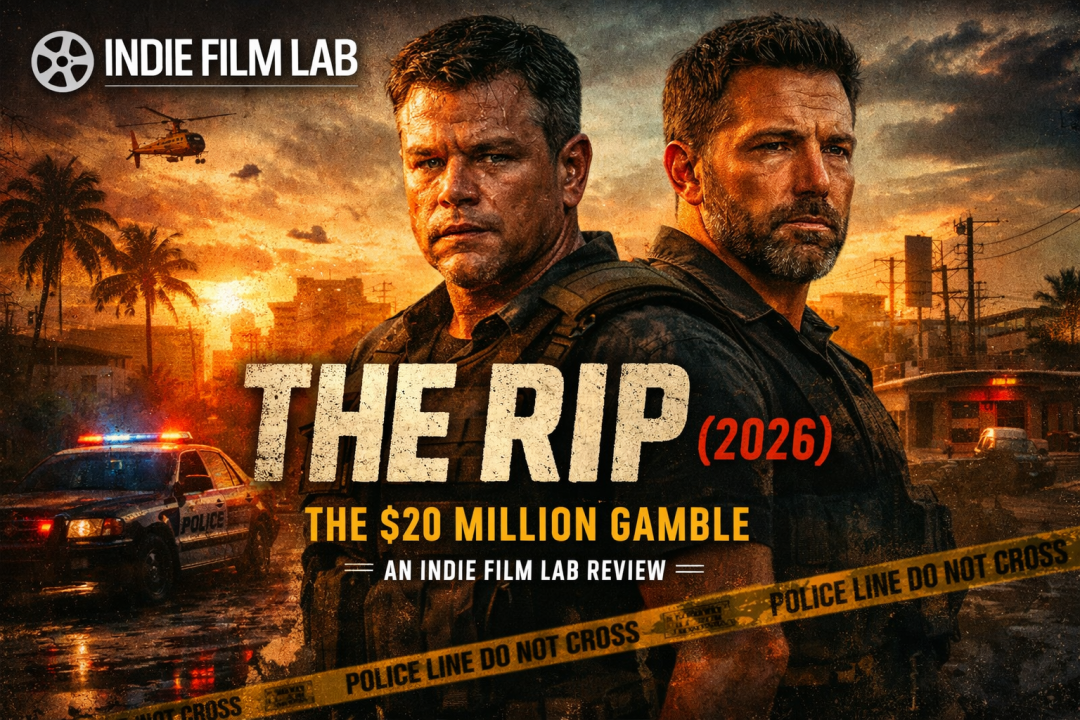
     

  • Join the Indie Film Lab: A Creative Community for Filmmakers

    Your Invited to The Indie Film Lab

    🎬 Lights. Camera. Community.

    Hi, I’m Joseph Eulo — an independent filmmaker, educator, and community organizer. For over 15 years, I’ve been producing, directing, shooting, and editing films in New York and beyond. My work spans narrative films, documentaries, music videos, and live-streamed productions. the thread that ties it all together is simple: I love stories that matter and the people who tell them.

    I founded the Indie Film Lab to give independent creators a place to connect, collaborate, and grow. Along the way, I’ve taught film production as an adjunct professor, mentored new storytellers, and built communities of thousands of artists and filmmakers.

    What Drives Me

    Kindness on set and in life. I believe leading with empathy and fairness makes the art — and the journey — stronger. Indie Film Lab isn’t just a blog or a website — it’s a space for filmmakers, writers, actors, and storytellers to learn, connect, and grow together. Whether you’re picking up a camera for the first time or you’ve been on set for years, this is where we share tools, secrets, and inspiration that make filmmaking accessible to everyone.

    Creativity as survival: Filmmaking isn’t just my profession, it’s my lifeline — a way to turn grief, joy, and everyday life into something meaningful.

    Collaboration over competition: The best stories happen when we create together.

    Why Indie Film Lab?

    I started Indie Film Lab as a way to share what I’ve learned — the real lessons from sets, classrooms, and communities. Here, you’ll find tools, resources, and insights designed to make filmmaking approachable and inspiring, no matter your budget or background.

    At the end of the day, I’m just a filmmaker inviting other filmmakers — whether you’re brand new or a seasoned pro — to join me in experimenting, learning, and telling stories that stick.

    At Indie Film Lab, you’ll find:

    • Hands-on lessons that break down the art and craft of filmmaking.
    • Resources and templates designed to make your productions smoother.
    • Community stories and collaborations that remind you you’re not alone on this journey.
    • Practical film school secrets you can use right now to improve your storytelling.

    This is more than a lab — it’s a collective experiment in creativity. A place to try, fail, learn, and succeed.

    So, if you’re ready to make films, build community, and tell stories that matter, then the Indie Film Lab is the place for you..

  • Mastering Film Analysis: Tips for Aspiring Writers

    We all know the cliché: the writer frozen before a blank screen, a scene straight out of movies like Barton Fink or The Shining. But this paralysis isn’t just for screenwriters. It’s the universal struggle of having a powerful gut feeling about a subject—a new business strategy, a complex report, a book you loved—and failing to translate that instinct into a clear, persuasive analysis. What if you could trade that frustration for a proven, systematic approach to thinking and writing?

    Get ready for a revolution. The rigorous world of academic film analysis holds a set of powerful, practical secrets that can make you a sharper thinker and a more compelling writer, no matter your field. These aren’t just tips; they are transformative shifts in perspective. Let’s unlock the most impactful takeaways that will change how you approach the written word forever.

    1. Your Opinion Is The Least Interesting Thing About Your Work

    Here’s a tough but liberating truth: in any serious analysis, your personal taste is the starting point, not the destination. The goal isn’t to argue whether something is “good” or “bad,” but to understand how it works and what it means. You shift from being a critic who judges to an analyst who investigates.

    This is the core of all powerful interpretive work. Instead of simply stating you liked a product, you build a case for how its design solves a specific user problem. Instead of saying a business proposal is “weak,” you demonstrate how its financial projections fail to account for market trends. Academic writing formalizes this principle:

    …most academic film classes endeavor to develop analytical and critical skills, and most writing assignments ask for what composition professors call “interpretive analysis,” the close study of some aspect of a work with a goal of figuring out what it might mean or how this one aspect might contribute to the work as a whole.

    This mindset shift is your greatest strategic advantage. It forces your writing to stand on a foundation of evidence, making your analysis not just defensible, but far more compelling than a simple opinion.

    2. Watch (and Read) Like a Detective with a Notebook

    The secret to deep analysis is a method film scholars call “close reading.” It’s the art of engaging with a subject multiple times, each time with a specific, investigative purpose. You stop being a passive consumer and become an active detective.

    The process is brilliantly methodical. Your first pass is to experience the whole and note your involuntary reactions. What made you laugh, gasp, or lean in closer? Those moments are breadcrumbs leading to something significant. Subsequent viewings (or readings) are for pausing the action, taking detailed notes, and deconstructing the work piece by piece. Film analysts even use a specialized shorthand to capture granular details at speed.

    A Detective’s Shorthand

    AbbreviationTerm
    CUclose-up
    XCUextreme close-up
    MCUmedium close-up
    MSmedium shot
    LSlong shot
    XLSextreme long shot
    MLSmedium long shot
    HAhigh angle
    LAlow angle
    SLscreen left
    SRscreen right
    CMcamera movement
    TStracking shot
    HHhandheld
    CRcrane
    Zzoom
    LTlong take
    S/RSshot/reverse shot
    DISSdissolve
    FIfade-in
    FOfade-out
    DSdiegetic sound
    NDSnondiegetic sound
    VOvoice-over
    OSoff-screen

    you can immediately put this detective method to work. Don’t just browse a competitor’s website—deconstruct it. Note every design choice, every headline, every call to action. Don’t just listen to a political speech—map out its rhetorical devices and emotional triggers. When analyzing a user’s journey through a new app, document every single click, hesitation, and point of friction. Become an expert through intense, methodical observation.

    3. A Powerful Thesis Is an Argument, Not a Fact

    Think of your thesis statement as the North Star of your argument. Its purpose is not merely to describe your topic, but to present a “complex intellectual argument” that the rest of your piece will prove.

    The thesis statement is crucial in focusing your argument, making clear to your reader what you plan to do, what you plan to examine, and (as many professors like to put it) “what’s at stake” in your paper.

    A weak thesis states an obvious fact (e.g., “This report analyzes Q3 sales data”). A strong thesis makes an assertive, interpretive claim that demands evidence (e.g., “The Q3 sales data reveals a critical shift in customer behavior that our current marketing strategy fails to address”). A strong thesis, therefore, offers a unique interpretation—an argument that isn’t immediately obvious to a casual observer and requires the body of your essay to prove it.

    Don’t feel pressured to perfect your thesis on the first try. As a writing coach, I always advise starting with a “working thesis.” It’s a rough draft of your argument that gives you direction. As you gather evidence and refine your thinking, you’ll sharpen that initial idea into a powerful, precise claim that anchors your entire document, whether it’s a legal brief, a scientific paper, or a multi-million-dollar grant proposal.

    4. The Best Way to Edit Your Writing Is With Your Ears

    After you’ve poured your ideas onto the page, the real work of revision begins. But relying solely on your spell-checker is a rookie mistake. These programs are helpful, but they aren’t infallible; more importantly, the program does not know what you’re trying to say in your paper.

    Here’s one of the simplest and most potent pro tips I can offer: read your work aloud. This simple act engages a different part of your brain, transforming you from the writer into the audience. It immediately exposes errors your eyes have learned to skim over.

    If you have to slow down or stumble as you read aloud, that’s a clue that something might need to be rewritten.

    This technique is a game-changer for catching clunky grammar, awkward phrasing, and sentences that don’t flow logically. Before you hit “send” on that critical email, submit that final report, or publish that next article, give it the “read-aloud” test. Your ears will catch what your eyes miss, ensuring your prose is as clear and persuasive as your ideas.

    5. A Great Conclusion Never Says “In Conclusion”

    We were all taught a formula for conclusions: restate your thesis, summarize your points, and wrap it up. This approach, often signaled by tired phrases like “In conclusion,” fulfills a basic requirement but is often, as one text puts it, “quite dull” and can even “cheapen” the work you’ve just done.

    Why is this so powerful? Because a great conclusion respects your reader’s intelligence. It trusts that they’ve followed your argument and doesn’t insult them with a lazy recap. Instead, it provides a sense of intellectual closure, leaving a lasting impression that makes your entire piece more memorable. A “better strategy” is to use your conclusion as a final, powerful move. Two superior approaches are:

    • Using the summary as a launchpad to make one final, important point that elevates the entire argument.

    • Offering a “mild surprise or twist on the thesis” that gives your reader something new and profound to consider.

    Your conclusion is your last chance to make an impact. Whether you’re finishing a presentation, a project post-mortem, or a client proposal, deliver on your initial promise without simply repeating what you’ve already said.

    6. Research Isn’t Just Collecting Facts—It’s Uncovering a Story

    Too often, we see research as a chore: a hunt for facts to plug into an outline. But the best research is a thrilling process of discovery, more like a detective piecing together a puzzle than a student filling a quota.

    A film professor shared a perfect example. After a screening of The Blair Witch Project, a student asked a brilliant question: “If the film was so successful, why did its distributor, Artisan Entertainment, go out of business?” The search for an answer began. The professor started digging, and the research led him down a rabbit hole of fascinating directions.

    He discovered the company had a deeply troubled history. It was once owned by Jose Menendez, famously murdered by his sons. It was a company embroiled in scandal that had invested foolishly in the home video market just as the industry was collapsing. The final piece of the puzzle was the most shocking: Artisan was eventually purchased and liquidated by Mitt Romney’s venture capital firm, Bain Capital. What started as a simple question about a horror film uncovered a hidden story of Hollywood scandal, corporate missteps, and high-stakes political finance.

    That is the secret. Great research—whether it’s market analysis, historical inquiry, or scientific investigation—isn’t about accumulating data. It’s about following your curiosity, uncovering unexpected connections, and revealing the compelling story hidden just beneath the surface.

Indie Film Lab

Lights. Camera. Community.

Skip to content ↓